
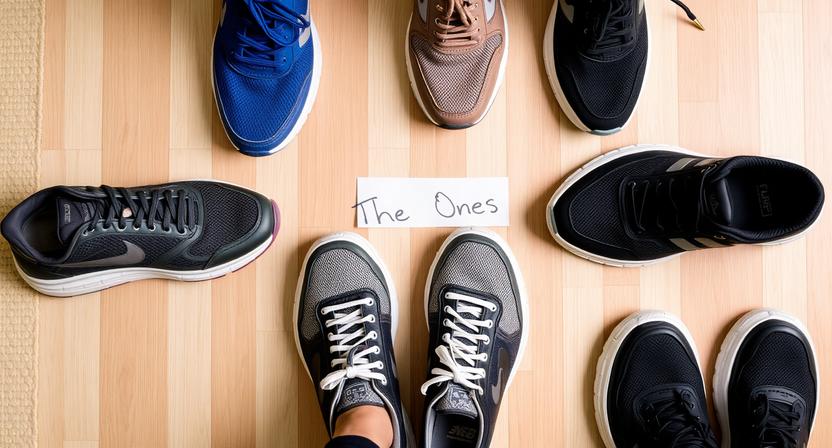
Let me ask you something. How many pairs of shoes are sitting in your closet right now that you never wear?
You know the ones. The “cute but cruel” flats. The running shoes that felt fine in the store but turned your feet into a blister farm after one mile. The trendy sneakers that looked amazing on Instagram but have all the grip of a bar of soap.
We’ve all been there.
You’re not looking for more clutter. You’re looking for the one. That reliable, can’t-live-without-them pair of best shoes and sneakers that actually works for your life.
And that’s where most shopping guides lose you. They throw a parade of specs at you. “9.5mm drop. Engineered mesh. Responsive foam compound.”
Blah, blah, blah.
Here’s what you actually want to know: Will these hurt my feet after brunch? Can I wear them to the airport without looking like a lost tourist? And will they last longer than three months?
Let’s cut through the noise. I’ll walk you through exactly how to find your next favorite pair—without the buyer’s remorse.
Why Most “Best Shoes and Sneakers” Lists Fail You
Here’s a small secret. Most roundup articles are written by people who never even tried the shoes on. They scrape Amazon reviews, call it a day, and leave you with a generic list of the same twelve brands.
Zero context about who each shoe is actually for.
You don’t need a list of fifty shoes. You need a framework. A way to think about comfort, durability, and style that matches your feet, your budget, and your daily chaos.
Because the truth is this: The best shoes and sneakers for your best friend (who stands all day in an ER) are probably not the best for you (who needs something cute for the school pickup line and a surprise walk in the park).
So let’s fix that. Right now.
Step 1: Name Your “Main Character” Shoe
Before we talk brands or prices, answer one question: What is the single thing you do most while wearing shoes?
Get specific.
- On your feet for work? Nurse, teacher, retail, warehouse.
- A city walker? Miles of concrete, subway stairs, sudden rain.
- Desk to car to couch? Style matters more than max cushion.
- Chasing toddlers? Slip-on convenience plus real support.
Once you name your main activity, everything else falls into line.
For example:
- Standing all day? Look for thick, stable midsoles—Hoka, Brooks, On. You want support, not just squish.
- Walking five-plus miles daily? You need a rocker sole that propels you forward. Think Hoka Clifton or ASICS Gel-Nimbus.
- Style-first but need comfort? New Balance 990 series, Veja, or Nike Air Max 1. They cracked the code on looking cool without destroying your arches.
Direct line between your problem and the solution. No fluff.
Step 2: Stop Believing the “Break-In” Myth
I need to tell you something that might save you hundreds of dollars.
Good shoes don’t need a painful break-in period.
If a pair of sneakers gives you blisters on day one, they are the wrong shape for your foot. Full stop. Your grandmother was right about many things, but “you have to suffer for fashion” isn’t one of them.
The best shoes and sneakers will feel good right out of the box. Not like walking on clouds—that’s a marketing gimmick—but they shouldn’t pinch, rub, or make you want to cry.
Here’s what to actually feel for when you try them on:
- A thumb’s width of space between your longest toe and the end of the shoe.
- No slipping at the heel when you walk.
- The ball of your foot sits comfortably in the widest part of the shoe. If it hangs over the edge, move on.
Don’t let a salesperson tell you “they’ll stretch.” That’s code for “these don’t fit you, but I want the sale.”
Step 3: The Sweet Spot Between Price and Quality
Let’s talk money. Shoes are expensive, and the range is ridiculous—$40 to $400 for sneakers?
Here’s the honest breakdown.
Under $50: You’re buying disposable shoes. Fine for a beach trip or a last-minute costume. Not fine for daily wear. Your back will send you an angry invoice eventually.
$80–$120: The real sweet spot. ASICS, Saucony, Reebok, Puma—legit comfort and durability here. You’re not paying for hype, just solid engineering.
$130–$180: This is where the magic happens for most people. Hoka, Brooks, New Balance (USA-made), Nike’s premium lines. You’re paying for better foam, better rubber, better construction. Worth it if you wear them every single day.
$200+: Collector territory. Rare collabs, limited runs, marathon racing shoes. Only buy here if you know exactly why you need them.
The smart move? Spend your money on the shoes you wear 80% of the time. For most people, that’s one great everyday sneaker in the $120–$150 range. Then go cheap on the “once a month” shoes—rain boots, fancy dress shoes, etc.
Step 4: Top Contenders for Different Feet and Lives
Let’s get specific. Based on thousands of real-world reviews and my own sore feet, here are the best shoes and sneakers broken down by what you actually need.
For the “My Feet Hurt by 2 PM” Crowd
Hoka Bondi 8 or Brooks Ghost 15
Maximum cushion without feeling like a marshmallow. They absorb shock so your joints don’t have to. Best for standing on concrete, long shifts, or recovering from foot pain. The vibe? Dad shoe aesthetic, but your knees will thank you.
For the “I Walk Everywhere in the City” Crew
On Running Cloudswift or New Balance 1080v13
These handle pavement, curbs, stairs, and sudden sprints for the bus. Great grip and bounce. Best for five-to-ten-mile urban walking days. Sleek, modern, doesn’t scream “tourist.”
For the “I Want Style and Comfort, Don’t Make Me Choose” Person
Nike Vomero 16 or Adidas Ultraboost 1.0
They look great with jeans, joggers, or shorts. No one will know they’re orthopedic-adjacent. Best for casual wear, light walking, running errands without wanting to die. Cool, slightly sporty, very versatile.
For the “I Have Wide Feet and I’m Tired of Suffering” Hero
New Balance 990v6 or ASICS Gel-Kayano 30 (Wide)
Most brands treat “wide” as an afterthought. These don’t. Actual room in the toe box. Best for anyone who has ever cried trying on “normal” width shoes. Expensive-looking comfort. The 990 is a cult classic for a reason.
Step 5: How to Make Them Last (Without Babying Them)
You found your perfect pair. Now don’t trash them in three months.
Here’s the quick, no-nonsense care guide.
Rotate your shoes. Even your favorite pair needs a day off to let the foam rebound. Two pairs worn every other day will last longer than three pairs worn randomly.
Loosen the laces before taking them off. You’re crushing the heel counter every time you step on the back. Stop it. I’m guilty too—just stop.
Air them out. Sweat breaks down glue and foam. Pull the insoles out overnight if they get really wet. Never put sneakers in the dryer.
Spot clean only. Soft brush, warm water, a drop of dish soap. No bleach. No dishwasher—yes, people try this. Don’t.
Do these four things, and a $130 shoe can easily last 500–700 miles. That’s a year or more of daily wear.
The Emotional Part (Because Shoes Are More Than Rubber)
Here’s something we don’t say enough: The right shoes change how you move through the world.
That’s the real win. Not the brand logo. Not the hype drop. The quiet confidence of a shoe that just works.
And that’s what makes a list of the best shoes and sneakers actually useful—not just a shopping list, but a key to getting back to your life without foot pain as your unwanted companion.
Final Thoughts: Your Feet Aren’t a Trend
The internet will try to convince you that you need five different pairs of sneakers. A running shoe. A walking shoe. A gym shoe. A casual sneaker. A “recovery” shoe.
You probably don’t.
Most people just need one really great, versatile pair of best shoes and sneakers that fits their foot shape and their most common activity. That’s it. Start there.
Try on three pairs from the list above. Walk around the store like a weirdo—we all do it. Jump a little. Go up on your toes. Listen to your feet. They will tell you the truth.
And when you find the one? Buy a second pair six months later to start your rotation. Your future self—the one without back pain—will send you a thank-you note.
Now go find your perfect pair. Your feet have been waiting long enough.


