
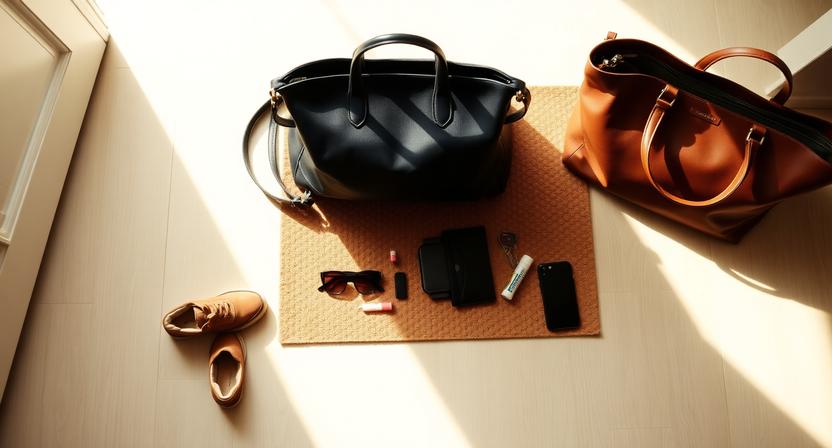
Let me ask you something. Have you ever stood in front of your closet, stared at a pile of bags, and thought, “I have nothing to carry today”?
Because same.
You’ve got the tiny crossbody that barely fits your phone. The giant tote that swallows your keys like a black hole. And that one trendy bucket bag you bought because everyone had it—only to realize it tips over every time you set it down.
Here’s the thing most shopping guides won’t tell you: Finding the right bag isn’t about following trends. It’s about matching the bag to your actual, real-life day.
fashion accessories guide
This fashion accessories guide is for people who love shopping guides (yes, you) but want to move past the hype. We’re going to talk about what works, what doesn’t, and how to build a small collection of accessories that feel like you—without the regret.
Why Most People Get Bags Wrong (And How You Can Skip That Lesson)
The number one mistake? Buying for a fantasy version of yourself.
You know the one. The version who carries a leather satchel to coffee shops and writes novels. The version who needs a structured top-handle bag for “elevated brunches.”
But your real life might look more like: commuting, chasing kids, carrying a laptop and a backup phone charger and a random granola bar. And that’s fine.
The pain point is simple: You’ve bought bags that look great on a shelf but feel frustrating at 8 a.m. when you’re trying to leave the house.
So let’s fix that. Not by buying more—but by buying smarter.
The Three-Bag Rule: Your New Shopping Framework
Before we dive into specific styles, here’s a mental model that saves money and closet space.
Every person really only needs three core bags:
- The Everyday Bag – Comfortable, medium-sized, durable.
- The Small Bag – For evenings, errands, or days when you want to travel light.
- The Workhorse – Large enough for a laptop, a change of clothes, or a weekend trip.
That’s it. Everything else is a bonus.
Now let’s break down each one so you know exactly what to look for.
1. The Everyday Bag: Your Reliable Sidekick
This is the bag you reach for 80% of the time. It should feel like an old friend—not a diva that needs babying.
Look for:
- Soft but structured leather (or high-quality nylon/canvas if you prefer lightweight)
- A zipper closure (trust me on this. Open totes spill in cars)
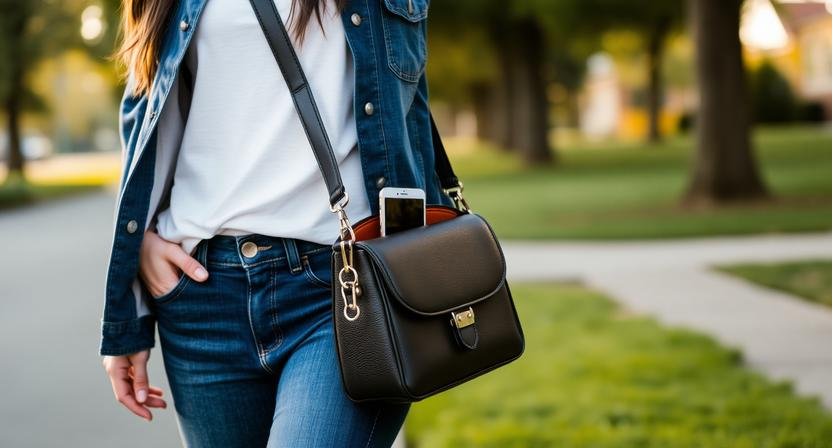
- An exterior pocket for your phone or keys
- Strap drop of at least 10 inches if you wear it on your shoulder
The classic example: A medium-sized crossbody or shoulder bag in black, brown, or deep olive. Neutral doesn’t have to mean boring. Look for interesting hardware or stitching.
Emotional check: When you wear this bag, you should feel ready. Not weighed down. Not searching for things. Just… ready.
2. The Small Bag: For the “I Only Need Three Things” Days
Some days, you don’t want to carry your whole life. You want your phone, your cardholder, lip balm, and sunglasses. That’s it.
What works:
- Wristlet or clutch – Great for dinners or events
- Mini crossbody – Perfect for farmers markets or walking the dog
- Belt bag (fanny pack revival, but make it cute) – Surprisingly liberating
What to avoid: Anything that forces you to unfold your phone case to get it inside. If the bag can’t fit a modern smartphone lying flat, it’s too small.
Pro tip: Look for a small bag with a detachable strap. That way it becomes a clutch and a crossbody. Two bags in one.
3. The Workhorse: Big, Smart, and Not a Black Hole
This is the bag for travel days, long work hours, or packing snacks for a family outing. The challenge isn’t size—it’s organization.
fashion accessories guide
Key features to hunt for:
- Internal pockets (at least two, ideally one zippered)
- A key leash or clip (game changer. You never dig for keys again)
- Padded laptop sleeve if you carry tech
- Light-colored lining (dark linings = losing small items forever)
Styles that work:
- North Face Borealis or similar (practical icon)
- Longchamp Le Pliage (light, foldable, shockingly durable)
- Leather tote with a zip-top and structured base
The emotional payoff: This bag should make you feel calm when you open it. Like everything has a home. That’s not magic—that’s good design.
Accessories That Elevate Any Bag (Without Buying a New One)
Here’s where a fashion accessories guide gets fun. You don’t always need a new bag. Sometimes you just need better bag accessories.
Bag Charms and Keychains
Yes, they’re back. But skip the juvenile stuff. A sleek leather tassel, a metal charm in a geometric shape, or a silk scarf tied to the handle—these little touches make a $40 bag look intentional.
Bag Organizers (Life-Changing)
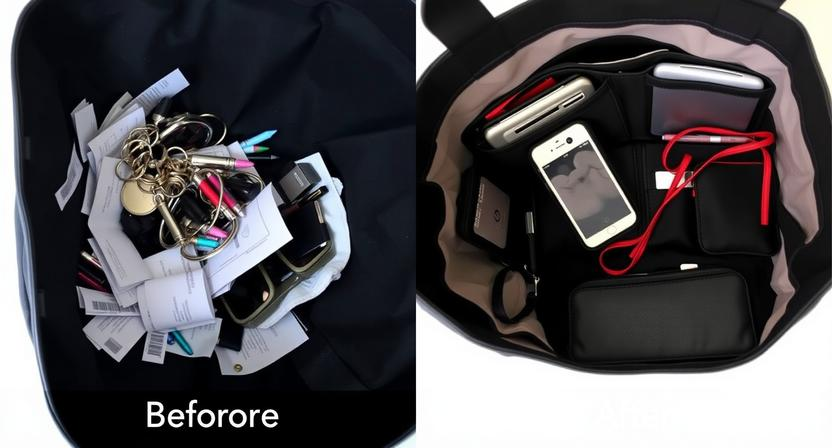
If you have a tote that feels like a bottomless pit, buy an organizer insert. They cost $15–25 and give you instant pockets. Suddenly your bag has a place for sunglasses, pens, hand sanitizer, and that granola bar.
Strap Swaps
Many bags let you change the strap. Swap a chain strap for a fabric one to go from evening to casual. Or add a padded strap to a heavy bag—your shoulder will thank you.
Reusable Pouches
Use small zipper pouches inside your bag for categories: “tech,” “makeup,” “emergency.” You’ll never rummage again.
Materials Matter More Than You Think
Let’s talk leather vs. canvas vs. nylon vs. vegan leather—without the snobbery.
| Material | Best For | Watch Out For |
|---|---|---|
| Full-grain leather | Long-term investment, ages beautifully | Heavy, expensive |
| Saffiano leather | Scratch resistance, rain-friendly | Stiffer feel |
| Canvas | Lightweight, casual, affordable | Can stain easily |
| Nylon | Rain-ready, washable, ultralight | Less “dressy” |
| Vegan leather (PU) | Budget-friendly, cruelty-free | Can peel after 1-2 years |
Honest advice: If you can afford real leather and you plan to keep the bag for 5+ years, go for it. If you like changing styles often, canvas or nylon will serve you better. And don’t let anyone shame you for your choice—your bag, your rules.
How to Shop Smarter (Not Harder)
You love shopping guides. I know. But here’s how to shop with clarity instead of impulse.
Before you buy, ask these three questions:
- “Will I reach for this over my current favorite?” If no, put it back.
- “Does this solve a problem or just feel exciting?” Excitement fades. Problem-solving lasts.
- “Can this bag handle my actual weight?” Load it up with your stuff in the store. Does the strap dig in? Does the shape collapse?
When to invest vs. save
- Invest in: The Everyday Bag and your Workhorse. You’ll use these thousands of times.
- Save on: Trendy colors, seasonal shapes, and small bags. Rotate these in cheaply.
Where to find quality without luxury prices
- Etsy for handmade leather goods
- Poshmark / eBay for gently used Coach, Fossil, or Dooney & Bourke
- Uniqlo for shockingly good nylon bags
- Baggu for lightweight, washable, cheerful options
The Emotional Truth About Bags
Here’s something we don’t talk about enough.
A bag isn’t just a container. It’s the first thing you touch in the morning and the last thing you set down at night. It carries your wallet, your medication, your lipstick, your sunglasses, your kid’s snack, your work ID. It’s a small guardian of your daily life.
So when you choose a bag that actually fits your rhythm—not someone else’s—you’re not being materialistic. You’re being considerate to your future self.
That’s the heart of this fashion accessories guide. It’s never been about owning more. It’s about owning the right things so you can stop thinking about your bag and start thinking about your day.
Final Thoughts: Your Next Step
You don’t need to overhaul your whole closet tonight.
Just pick one bag from your current lineup that frustrates you. Ask: Why? Too heavy? Too disorganized? Uncomfortable strap?
Then, the next time you’re shopping—online or in person—keep that answer in your back pocket. Look for a bag that fixes that one specific problem.
And ignore the trends. Ignore what influencers are carrying. They’re not living your Tuesday.
You are.
So go find the bag that makes your Tuesday feel a little easier. That’s the whole point.
Happy shopping—and even happier carrying.


