
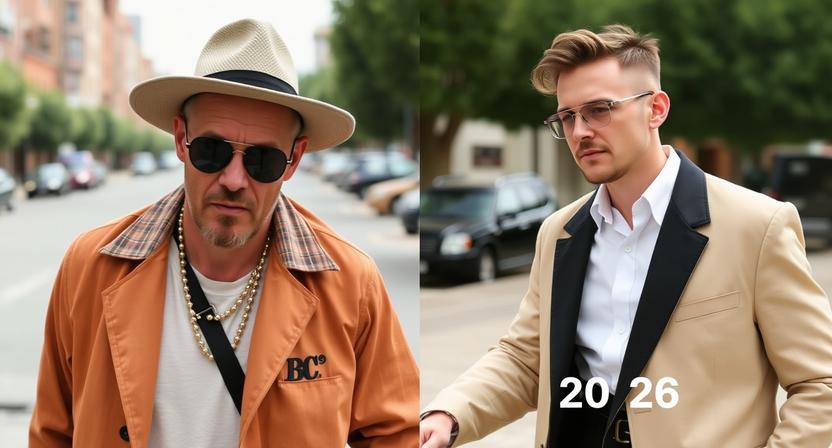
Let’s be honest—keeping up with men’s fashion can feel like chasing a moving target. One season it’s all about oversized blazers and baggy denim, the next it’s back to tailored fits and clean lines. You invest in a look, and by the time it arrives, the trend has already shifted. Sound familiar?
Well, here’s the good news: 2026 isn’t about frantic change. It’s about intentional evolution . The trends emerging aren’t random whims from runways—they’re a response to how men actually want to dress today. Comfortable, yes. Polished, absolutely. And most importantly, personal .
If you’ve been wondering which direction to take your wardrobe without wasting money on pieces that’ll feel dated in six months, you’re in the right place. Let’s break down what’s coming, why it matters, and how you can make it yours.
The Big Shift: From Fast Fashion to Lasting Style
Before we dive into specific trends, let’s talk about the underlying force driving everything in 2026: mindfulness . The days of buying a cheap linen shirt, wearing it twice, and tossing it are fading. Men are thinking harder about what they buy.
Why the change? Because the pain of a wardrobe that doesn’t work is real. You know the feeling: staring at a closet full of clothes with “nothing to wear.” That happens when trends dictate your choices instead of your actual needs. In 2026, the solution is versatility mixed with quality .
So when you see a trend, ask yourself: “Can I wear this with three different things in my closet already?” If the answer is no, skip it. The most stylish men in 2026 won’t be the ones with the most clothes—they’ll be the ones who wear the right clothes well.
Trend 1: Elevated Utility (Workwear Gets Refined)
You might remember the cargo pants comeback. In 2026, that’s just the starting point. Utility is evolving from purely functional to polished practicality . Think less “construction site,” more “architect’s studio.”
- Cargo trousers are getting slimmer, tailored, and made from premium fabrics like cotton twill or lightweight wool. They still have pockets, but the silhouette is cleaner.
- Oversized pockets on blazers and shirts are appearing, but they’re placed deliberately, not randomly. A shirt with a single chest pocket in a contrasting fabric? Yes.
- Work jackets in suede or waxed canvas are replacing casual blazers for everyday wear.
How to wear it: Pair tailored cargo trousers with a simple white tee and a structured leather jacket. The balance of rough and refined is the whole point. You look put-together without trying too hard.
Trend 2: The Return of Rich Texture
Monochrome isn’t going anywhere, but in 2026, it’s getting a sensory upgrade. Instead of flat black or beige, designers are layering textures to create depth without adding bulk.
- Corduroy is back in a big way—not just pants, but blazers and even shirts. It brings warmth and visual interest.
- Slub knits (those slightly uneven, nubby cotton fabrics) are replacing smooth sweaters for a more organic feel.
- Leather is appearing in unexpected places: paneled joggers, trimmed blazers, even shirts. Go for deep browns or muted greens to keep it grounded.
Why this matters: Texture is the easiest way to look sophisticated without wearing anything flashy. When you’re in a room full of people in flat fabrics, your outfit naturally draws the eye.
How to wear it: A corduroy blazer over a fine-gauge merino sweater, with slim wool trousers. Everything is neutral—charcoal, cream, olive—but the different surfaces make it pop.
Trend 3: Soft Tailoring (The Anti-Suit Suit)
The pandemic’s legacy of comfort isn’t over—it’s just being executed with more polish. Enter soft tailoring : suits and blazers that feel like loungewear but look like business attire.
- Unstructured blazers with no padding or lining are the new standard. They move with you, not against you.
- Wide-leg trousers that drape rather than cling. Think about how a silk scarf falls—effortless but deliberate.
- Relaxed shoulders on jackets that don’t try to make you look like a linebacker. They follow your natural shape.
The secret: Soft tailoring works because it flatters everyone. It doesn’t force your body into an ideal shape; it works with what you have.
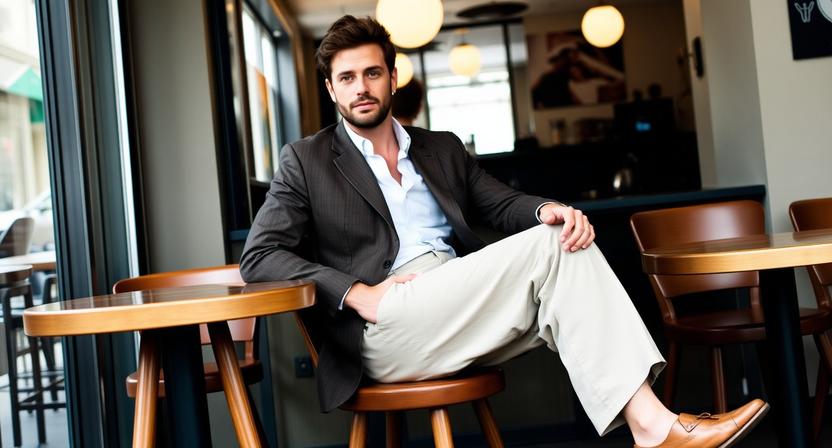
How to wear it: A linen-cotton blend blazer in sand, with matching wide-leg trousers. No tie. No pocket square. Just a simple henley underneath. You look like you know exactly what you’re doing, but you’re also comfortable enough to sit through a long dinner.
Trend 4: Earthy Neutrals (But Warmer)
Neutral tones have been a staple for years, but the 2026 palette is shifting warmer. Out with cool grays and stark whites; in with:
- Terracotta and rust for sweaters and outerwear
- Sage and moss for trousers and shirts
- Camel and ochre for coats and accessories
- Deep burgundy for boots and belts
Why this works: Warmer neutrals are more forgiving. They complement most skin tones, they hide minor stains better, and they make you look approachable rather than severe.
How to wear it: A rust-colored crewneck sweater with dark olive chinos and brown suede boots. Add a camel coat on top. Simple, but the colors create a rich, cohesive look that feels intentional.
Trend 5: The Silhouette Experiment (Proportions That Play)
While we’re not diving back into 2000s oversized everything, 2026 is having fun with proportion . The rulebook says “fit should be consistent”—pants slim, top slim. But the new approach is:
- Wide pants + fitted top: Let your trousers be the statement while your top stays clean and simple. It elongates your silhouette and adds visual interest.
- Oversized outerwear + slim everything else: A roomy overcoat or bomber jacket over a fitted sweater and straight-leg jeans. The contrast creates a modern edge.
Caveat: This isn’t for everyone, and that’s fine. If you’re not comfortable experimenting, stick with classic proportions. But if you want to look current and a bit daring, try playing with one element at a time.
Trend 6: Footwear That Does Double Duty
Sneakers aren’t going anywhere, but in 2026, they’re being joined by other shoes that can travel from day to night without a wardrobe change.
- Loafer-style sneakers: The comfort of a sneaker with the silhouette of a loafer. Usually leather with a minimal sole. Perfect for travel or office-to-dinner transitions.
- Chelsea boots with lug soles: The timeless Chelsea gets a rugged upgrade. Works with jeans, chinos, even tailored trousers.
- Monk straps in suede: Less formal than classic monk straps, but still more polished than sneakers. Great for date nights.
The key: Investing in one versatile shoe that works for 80% of your life will save you money and decision fatigue.
Trend 7: Accessories That Matter (Less Is More)
Men are finally embracing accessories, but 2026 is about intentionalty . Not piling on, but choosing pieces that serve a purpose.
- Leather belts with unique buckles: Think brass or brushed silver, not a simple rectangle. A small detail that catches the eye.
- Watches with fabric straps: NATO or sailcloth straps keep things casual and modern, even on a classic watch face.
- Bags over backpacks: A canvas or leather duffle, messenger bag, or tote. They signal maturity without looking stuffy.
- Scarves and gloves in textured knits: Functional first, but color and pattern matter. A merino scarf in forest green or charcoal gray elevates any coat.
Rule of thumb: If you’re wearing an accessory, it should either be useful or spark conversation. If it does neither, leave it at home.
Trend 8: Sustainability with Substance
This isn’t just a buzzword anymore. In 2026, men are asking “where did this come from?” and “how long will it last?”
- Buying fewer, better pieces is the new normal. Instead of five cheap sweaters, one high-quality cashmere or merino piece will serve you for years.
- Visible mending and repairs are becoming stylish. A patched elbow or a visible darn isn’t a flaw; it’s a story.
- Natural fibers (cotton, wool, linen, hemp) dominate. Synthetics are fine for sportswear, but for daily wear, natural materials breathe better, last longer, and age more gracefully.
Practical takeaway: When you shop, ask yourself: “Can I see myself wearing this in three years?” If the answer is no, put it back. Your wallet and the planet will thank you.
Putting It All Together: Building Your 2026 Wardrobe
Trends are useful as inspiration, but real style comes from editing . Here’s a simple framework for applying what you’ve learned:
- Start with the foundation: Make sure your basics are solid—well-fitted jeans, neutral tees, a quality jacket. Trends sit on top of a strong base.
- Add one trend at a time: Pick the trend that excites you most (maybe soft tailoring or rich texture) and buy one or two pieces. Integrate them slowly.
- Dress for your life, not for Instagram: A trend that looks great on a model might not serve your daily routine. Be honest about where you go and what you do.
- Comfort is non-negotiable: If you can’t move, breathe, or sit in it, you won’t wear it. That’s the definition of a waste.
Final Thought: Style Is a Conversation, Not a Destination
Here’s the thing—fashion trends in 2026 aren’t about keeping up. They’re about showing up as yourself, with clothes that support you rather than distract from you.
The greatest style advice I can give you is this: Wear what makes you feel like the best version of yourself. If a trend resonates, take it. If it feels forced, let it pass. The men who look great aren’t following rules—they’ve figured out what works for their body, their life, and their personality.
So, which of these trends calls to you? Maybe it’s the comfort of soft tailoring, the warmth of a corduroy blazer, or the quiet confidence of a well-chosen accessory. Start there. Build slowly. And remember: the best thing you can wear is your own confidence.
Here’s to dressing well, thinking clearly, and enjoying the process. See you in 2026.


