
Picture this: you walk into a room, and before you say a single word, people notice something. It’s not just the cut of your jacket or the gleam of your watch. It’s a feeling—an unspoken signal that says you understand quality, tradition, and taste. That’s the quiet power of luxury fashion brands. They don’t just dress you; they translate your values into fabric and form.
But with all the noise online—fast fashion hauls, influencer drops, endless trend cycles—it’s easy to wonder: do these heritage houses still deserve the hype? Or are they just expensive labels for the one percent?
If you’ve ever felt that pull toward something timeless, yet doubted whether it’s “worth it,” this guide is for you. Let’s cut through the marketing gloss and explore what truly defines luxury fashion brands—and how to let a piece of that world into your wardrobe without losing yourself in the price tag.
What Really Sets Luxury Fashion Brands Apart?
Let’s start with the obvious: it’s not just the price. You already know that. But what actually makes a brand luxury versus, say, premium or trendy?
At its core, luxury is about obsession with detail and respect for craft . Every stitch, every seam, every hardware engraving is considered. When you hold a handbag from a house like Hermès or a coat from Loro Piana, you feel the weight of hundreds of years of technique. It’s not made to be replaced next season; it’s made to be passed down.
Compare that to the fast-fashion cycle: a dress is designed, manufactured, shipped, worn twice, and forgotten. Luxury flips that model on its head. It says, “This piece was worth waiting for. It will never go out of style.”
Here’s a quick breakdown of what separates the real from the rest:
| Aspect | Luxury Fashion | Fast Fashion / Premium |
|---|---|---|
| Materials | Rare, ethically sourced: cashmere, vicuña, full-grain leather | Synthetic blends, bonded leather, low-cost wool |
| Production | Hand-finished, small batches, often by master artisans | Mass-produced, machine-intensive, large-scale factories |
| Design Philosophy | Timeless, signature codes, limited seasonal changes | Trend-driven, copied from runways, high turnover |
| Longevity | Decades with proper care; often resold or inherited | Worn out after 10–20 washes; disposable |
| Emotional Value | Story, heritage, identity | Utility, novelty, social media appeal |
| Price Justification | Craftsmanship, scarcity, brand heritage | Advertising, influencer buzz, unit economics |
So when you invest in a luxury piece, you’re paying for time —the time it took to create, the time it will last, and the time you won’t waste shopping for replacements.
The Emotional Hook: It’s Not Just a Purchase, It’s a Connection
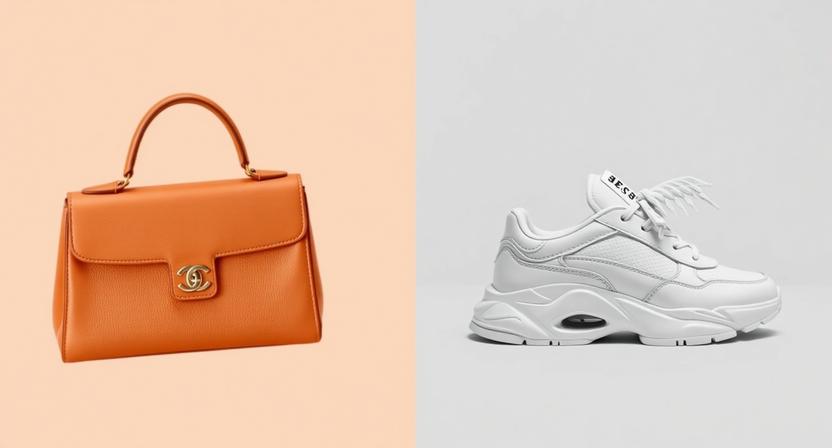
Let’s be honest—no one buys a Chanel jacket purely for warmth. And no one picks a Rolex just to tell the time. We buy luxury for how it makes us feel.
Think about your own style journey. Maybe you’ve saved up for months for that one bag, and when you finally unboxed it, you felt a rush—not because of the logo, but because of what it represented: your hard work, your taste, your personal landmark. That’s the emotional thread that luxury fashion brands weave so well.
But here’s the tricky part: the industry knows this. They market dreams, exclusivity, and aspirational lifestyles. The pain point you might be facing is the gap between wanting that feeling and knowing if you’re making a smart choice . You don’t want to be tricked by hype. You want something authentic, something that elevates your everyday life without emptying your bank account or cluttering your closet with mistakes.
This content is written for you—the style lover who respects craft but lives in the real world. You want to buy better, not more. And you want to understand why that Saint Laurent leather jacket costs what it does, so you can decide if it’s right for your story.
Heritage vs. Hype: The Modern Luxury Landscape
The luxury world has split into two roads.
On one side, you have the old guard —houses like Gucci, Dior, Cartier, and Louis Vuitton. These brands are built on decades, sometimes centuries, of code: the GG logo, the monogram canvas, the signature quilting. Their value is tied to tradition and rarity. Many still produce limited quantities and refuse to mass-market their most iconic pieces.
On the other side, you have the new wave of luxury: brands like Off-White, Balenciaga, and Jacquemus. They play with streetwear, irony, and viral moments. Their value comes from cultural relevance and scarcity—drops that sell out in minutes, collabs that explode on Instagram.
So which one matters more for your wardrobe?
Here’s a hard truth: neither is better. They serve different needs.
- If you want a piece that will anchor your wardrobe for years, look to the heritage houses. Think a Burberry trench, a Prada nylon bag, or a Max Mara coat.
- If you want to signal that you’re plugged into the culture right now, the hype brands can do that—but be ready for tastes to shift.
The real secret is knowing when to buy from each . Build your foundation with timeless classics. Then, if your budget allows, sprinkle in a bold statement piece from a hype label. That balance keeps your style fresh without sacrificing longevity.
How to Choose a Luxury Fashion Brand That Fits Your Life
Not every luxury brand is for every person—and that’s okay. The goal isn’t to own a logo from every house; it’s to find the one that speaks to you.
Start by asking yourself three simple questions:
1. What do you value most in clothing?
Are you drawn to structured tailoring (think Saint Laurent or Tom Ford)? Or do you prefer soft, quiet luxury (like The Row or Loro Piana)? Maybe you love bold prints and color (Versace, Dolce & Gabbana). There’s no wrong answer—but aligning the brand’s DNA with your personal aesthetic prevents buyer’s remorse.
2. How does the piece fit into your daily life?
A silk gown from Valentino might be stunning, but if your week is filled with commuting and coffee meetings, that investment won’t get much wear. Instead, consider luxury brands that make elevated basics: Brunello Cucinelli for cashmere sweaters, Loewe for dreamy leather accessories, or Moncler for outerwear that’s both functional and iconic.
3. What’s your relationship with trends?
If you love chasing what’s new, lean into brands that refresh their collections often—like Miu Miu or Bottega Veneta. If you prefer a consistent, signature style, stick with houses like Ralph Lauren or Hermès, where your piece will look relevant in ten years as it does today.
Personal advice: Start with one piece that you’d wear at least three times a week. That could be a belt, a watch, or a pair of boots. Let it earn its place in your life. Luxury should feel like a partner, not a museum artifact.
The Subtle Power of Quiet Luxury
There’s a shift happening right now—away from loud logos and toward “quiet luxury.” Think stealth wealth: no visible branding, impeccable materials, and silhouettes that whisper rather than shout. Brands like Loro Piana, Brunello Cucinelli, and Zegna lead this movement. Their customers don’t need to prove anything; they just know good taste.
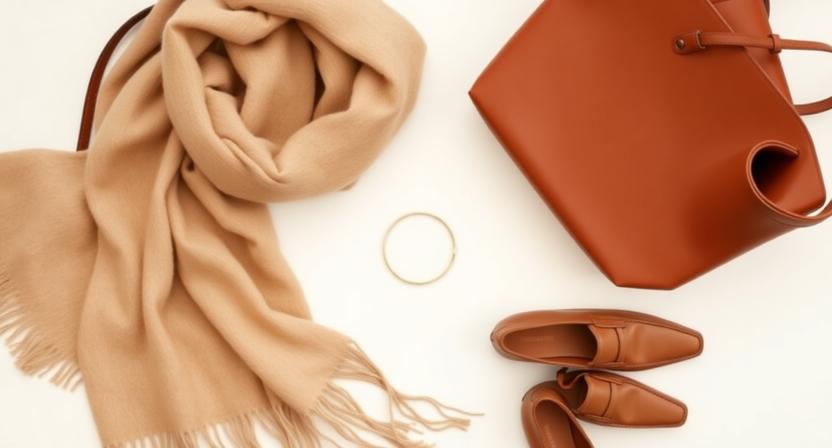
This might be the most practical advice I can give you: if you’re new to luxury, start with the quiet pieces. A beautifully cut cashmere scarf. A simple leather tote from The Row. A pair of Loro Piana loafers. These pieces communicate sophistication without trying to impress. They’re versatile, they mix seamlessly with your existing wardrobe, and they rarely go on sale—because they don’t need to.
Once you master the art of quiet luxury, you can add a statement piece—a logo belt, a printed silk shirt—without looking like you’re wearing a billboard. It’s about confidence in restraint.
The Investment Mindset: Thinking Like a Curator
Now, let’s talk about the financial side without getting stuffy. Yes, luxury fashion brands cost more upfront. But if you buy wisely, the cost-per-wear drops dramatically.
Consider this: a 2,000handbagfromaheritagebrandcanlast15–20years.That’sabout100–133peryear.Meanwhile,a200 fast-fashion bag might last one or two seasons—$100 per season. Suddenly, the luxury option looks reasonable, especially if you resell it later (many luxury bags retain 60–80% of their value).
But don’t think of it just as math. Think of it as curating your personal museum . Every piece in your closet should have a reason for being there. When you shop like a curator, you buy less, love more, and regret nothing.
To help you make smarter decisions, here’s a quick checklist before you hit “add to cart”:
- Is this piece from a brand with a clear, consistent design identity?
- Can I find at least three outfits in my closet that go with it right now?
- Does the material and construction justify the price? (Check for lining, stitching, hardware)
- Will I still want to wear this in three years?
- Is there a resale market for this brand if I ever change my mind?
If you can answer “yes” to at least four of these, you’re probably making a solid choice.
Final Thoughts: Wear What You Believe
Here’s the thing about luxury fashion brands—they’re not about following rules. They’re about writing your own. The best-dressed people aren’t the ones wearing the most expensive labels; they’re the ones who understand how to let a single piece tell a story without shouting.
You don’t need a closet full of head-to-toe luxury. You just need a few pieces that fit perfectly, last forever, and make you feel like the best version of yourself. That’s the real meaning of luxury: it’s freedom from shopping, freedom from fast trends, and freedom to wear what you truly believe in.
So next time you’re drawn to a piece from a luxury fashion brand, don’t ask “Can I afford it?” Instead, ask “Does this make my life more beautiful?” If the answer is yes, and you’ve done your homework, then honor that instinct. You’ve earned it.
After all, style isn’t about what you own—it’s about the confidence with which you wear it. And that, my friend, is completely priceless.
Curious about specific brands? Drop a comment below—I’d love to help you find the one that feels like home.


