
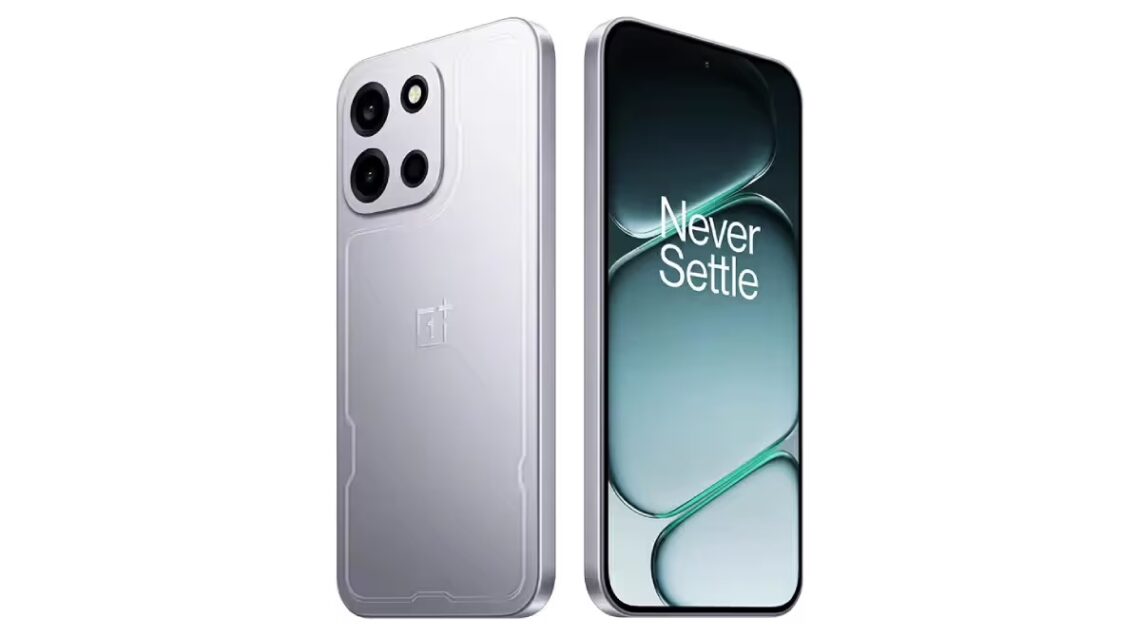
The smartphone industry has always been a fast-moving battlefield—brands rise, fall, reinvent, and sometimes even reunite. Over the past few years, two names that have consistently dominated conversations in the mid-range and premium Android space are OnePlus and Realme. Both companies, once closely tied through their shared roots under BBK Electronics, have grown into powerful identities of their own.
Now, rumors and discussions around a potential “OnePlus–Realme merger” have sparked curiosity among tech enthusiasts worldwide. While nothing has been officially confirmed, the idea itself raises some fascinating questions: Why would these brands merge? What would it mean for users? And how could it reshape the smartphone market?
Let’s break it all down in a simple, human way.
The Shared DNA: Where It All Began
To understand the possibility of a merger, you first need to understand the relationship between these brands.
Both OnePlus and Realme originated under BBK Electronics, the same umbrella that also houses giants like Oppo and Vivo. While they operate independently in the public eye, they often share supply chains, manufacturing resources, and even software foundations.
- OnePlus launched in 2013 with a clear vision: flagship performance at a lower price.
- Realme, introduced in 2018, targeted younger audiences with stylish designs and aggressive pricing.
At first, their paths seemed different—OnePlus leaned premium, Realme chased volume. But over time, the lines began to blur.
Why Are People Talking About a Merger?
The speculation didn’t come out of nowhere. Several industry developments have fueled this discussion:
1. Increasing Integration with Oppo
In recent years, OnePlus has already deepened its integration with Oppo—sharing R&D, software (ColorOS and OxygenOS merging elements), and even hardware platforms.
Realme, too, has strong ties with Oppo. This creates an ecosystem where the boundaries between brands are already thinner than they appear.
2. Overlapping Product Segments
A few years ago:
- OnePlus = Flagship killer
- Realme = Budget disruptor
Now:
- OnePlus sells mid-range phones (Nord series)
- Realme sells premium flagships (GT series)
This overlap creates internal competition, which companies usually try to avoid.
3. Market Pressure
The global smartphone market is more competitive than ever, with players like Samsung, Apple, and Xiaomi dominating different price segments.
To stay competitive, consolidation can be a smart move.
What a OnePlus–Realme Merger Could Look Like
If a merger were to happen, it wouldn’t necessarily mean both brands disappear. Instead, we might see a strategic restructuring.
Scenario 1: Dual Branding Strategy
Both brands continue to exist, but with clearer positioning:
- OnePlus → Premium and upper mid-range
- Realme → Budget and youth-focused devices
This is similar to how Xiaomi operates with Redmi and Poco.
Scenario 2: Unified Ecosystem
The merger could lead to:
- Shared software platform
- Common hardware architecture
- Faster updates and improved optimization
This would reduce development costs and increase efficiency.
Scenario 3: Complete Rebranding (Less Likely)
A full merger into a single brand is possible but unlikely, as both OnePlus and Realme have strong identities and loyal user bases.
Impact on Users: Good or Bad?
Let’s talk about what really matters—you, the user.
The Good Side
1. Better Software Experience
A merger could streamline software development. Imagine a polished, stable OS combining the best of OxygenOS and Realme UI.
2. Faster Updates
Shared resources could mean quicker Android updates and longer support cycles.
3. Stronger Hardware Innovation
Pooling R&D budgets could lead to:
- Better cameras
- Improved battery tech
- Faster charging innovations
4. Competitive Pricing
With reduced internal competition, the merged entity could focus on taking on bigger rivals aggressively.
The Concerns
1. Loss of Identity
OnePlus fans love its clean UI and premium feel. Realme fans love value-for-money devices. A merger might dilute these identities.
2. Reduced Competition
Less competition between the two brands could mean fewer aggressive price wars.
3. Software Changes
Some users already disliked the shift from OxygenOS to ColorOS influence. A merger could push things further in that direction.
The Bigger Picture: Industry Trends
If this merger happens, it wouldn’t be an isolated event—it would reflect a broader industry trend.
Consolidation Is the Future
Tech companies are increasingly merging or collaborating to survive intense competition. Even giants like:
- Google refining its Pixel strategy
- Samsung consolidating its product lines
are focusing on efficiency over expansion.
Ecosystems Over Individual Devices
Smartphone brands are no longer just selling phones—they’re building ecosystems:
- Smartwatches
- Earbuds
- Smart TVs
- IoT devices
A OnePlus–Realme merger could accelerate this shift, creating a stronger connected ecosystem.
How It Could Affect the Indian Market
India is one of the biggest smartphone markets in the world—and both OnePlus and Realme are hugely popular here.
Potential Changes:
- More competitive mid-range devices (₹15,000–₹30,000 segment)
- Stronger offline and online presence
- Better after-sales service (if operations are unified)
However, Indian users are also very price-sensitive. Any increase in pricing could backfire quickly.
What Experts Are Saying
While there’s no official confirmation, industry analysts believe:
- A full merger is unlikely, but deeper collaboration is inevitable.
- The brands will likely differentiate themselves more clearly rather than combine fully.
- The focus will be on efficiency, cost-cutting, and global expansion.
Should You Be Excited or Worried?
Honestly, a bit of both.
If done right, a OnePlus–Realme merger could bring:
- Better products
- Faster innovation
- Stronger competition against global giants
But if handled poorly, it could:
- Confuse customers
- Dilute brand value
- Reduce consumer choice