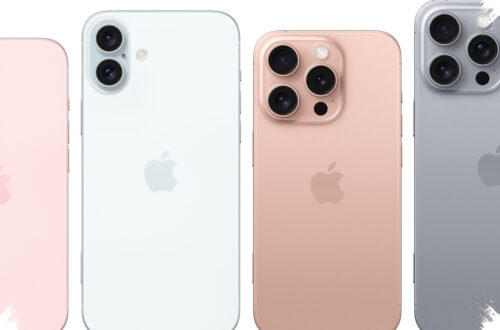
If you bought an iPhone 15 or iPhone 16 in the last year, you might be getting a small but surprising check from Apple. Not because of a discount you missed – but because of a lawsuit over AI features that, according to the people suing, basically didn’t work as promised.
Let me break it down.
Apple has agreed to pay a total of $250 million (that’s about £184 million) to settle a class action lawsuit filed by a group of US iPhone buyers. The accusation? That Apple misled customers about certain artificial intelligence features – specifically, the much-hyped “Apple Intelligence” and an upgraded version of Siri that never really showed up.
Now, before we go any further, let’s be clear: Apple isn’t admitting fault. In the settlement documents filed Tuesday in a California federal court, the company explicitly said it did nothing wrong. But they did agree to write checks to eligible customers – because sometimes, even for a company like Apple, it’s cheaper and smarter to settle than to fight a messy court battle.
Who gets paid – and how much?
If you’re in the US and you bought an iPhone 15 or iPhone 16 sometime between June 2024 and March 2025, you could receive anywhere from 25to25to95 per person. Not life-changing money, but also not nothing – especially if Apple’s marketing played a role in your buying decision.
The lawsuit wasn’t about every single AI feature Apple has ever teased. An Apple spokesperson pointed out that the case focused on just “two additional features” within the broader Apple Intelligence rollout. But here’s where it gets interesting: the lawyers suing Apple painted a much sharper picture.
In a revised complaint filed last week, they wrote that Apple promoted AI capabilities that “did not exist at the time, do not exist now, and will not exist for two or more years, if ever.” That’s strong language for a legal document – and it gets to the heart of why people were upset.
The real pain point: hype vs. reality
Think back to the summer of 2024. Every tech company was racing to slap “AI” on everything. Apple, often criticized for being slow to innovate (yes, even Tim Cook has taken heat over the years), wanted to show it was still a leader. So they rolled out a marketing campaign promising that Apple Intelligence would transform Siri from a “limited voice interface into a full-fledged personal AI assistant.”
That sounded amazing. Who wouldn’t want a Siri that actually understands context, remembers your conversations, and helps like a real assistant?
But when people bought the iPhone 15 and 16 – partly on the promise of those features – the reality was disappointing. According to the lawsuit, “the iPhone 16 was delivered to consumers without Apple Intelligence, and Enhanced Siri never came.” Not “it came later.” Never came.
And that’s why this case resonated. It’s not about one bug or a delayed software update. It’s about feeling like you bought something based on a future that didn’t exist – and might not for years.
Why settle now?
Apple’s official statement is measured, as you’d expect: “We resolved this matter to stay focused on doing what we do best, delivering the most innovative products and services to our users.”
Translation: Let’s pay this, move on, and get back to building stuff people actually love.
For Apple, $250 million is real money, but it’s also pocket change compared to the cost of a lengthy trial, bad press, and the risk of a judge or jury agreeing that the company intentionally misled customers. Plus, this settlement only applies to US buyers. Other regions? Not part of this deal.
What this means for you (practically)
If you think you qualify, keep an eye out. Class action settlements like this usually require filing a claim – you won’t automatically get a check. There will likely be a website where you can submit proof of purchase (like your iPhone receipt or the serial number). The lawyers will take a cut (as they always do), but the remaining pool gets split among eligible claimants.
And if you’re not in the US? Unfortunately, this specific settlement doesn’t apply. But it’s still a useful story to watch, because it signals that courts are paying close attention to how tech companies market unfinished or unready AI features.
The bigger takeaway
This lawsuit isn’t just about 25or95. It’s about a growing tension between how fast companies promise AI will change our lives – and how slowly the actual, reliable technology arrives. Apple isn’t the first to get sued over overhyped features, and it won’t be the last.
But for anyone who bought an iPhone expecting a smarter Siri that never showed up? This settlement is a small acknowledgment that words in marketing have consequences.
So check your inbox (or your spam folder) for claim forms over the next few months. And in the meantime, take any “breakthrough AI” promise with a healthy dose of skepticism – even when it comes from Cupertino.