
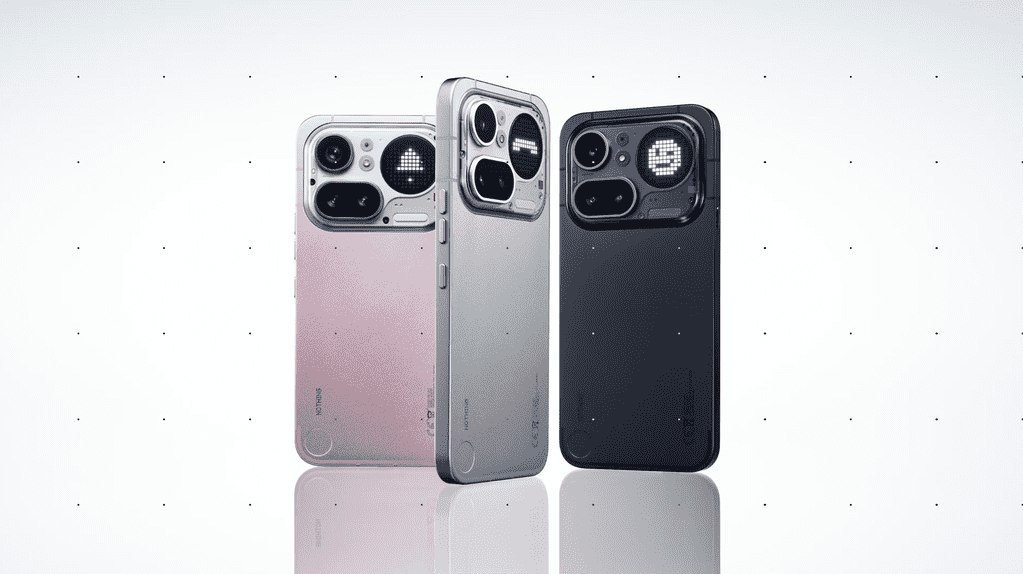
Nothing Phone (4a) vs. (4a) Pro: Which One Actually Deserves Your Money?
By Deepti Pathak
March 11, 2026
Nothing just dropped two new mid-range contenders: the Phone (4a) and the Phone (4a) Pro. And if you’re anything like me, you’re probably staring at both, wondering whether the extra spend on the Pro is actually worth it.
On the surface, they look like siblings. But dig a little deeper, and a few key differences start to surface—especially in areas like build quality, camera capabilities, and performance. Let’s break it down so you can figure out which one fits your life (and your budget).
Price and Availability
Let’s start with the obvious: what you’ll actually pay.
The standard Nothing Phone (4a) kicks off at ₹31,999 for the 8GB RAM + 128GB storage model. If you need more room, there are 8GB + 256GB and 12GB + 256GB options as well.
The Phone (4a) Pro starts at ₹39,999, with the same storage configurations. So you’re looking at about an ₹8,000 jump for the Pro.
Both phones go on sale starting March 13, 2026.
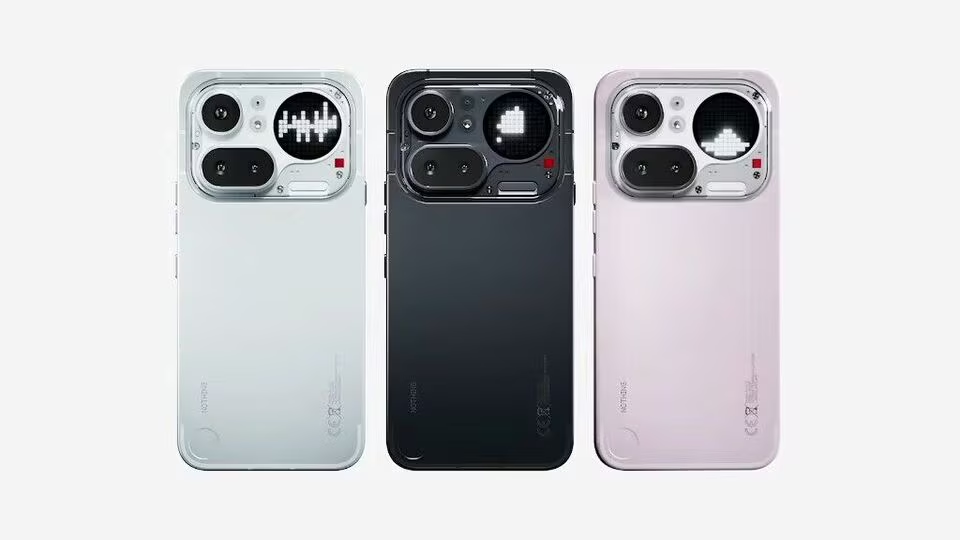
If color matters to you: the 4a comes in black, white, blue, and pink, while the Pro keeps things slightly more refined with black, silver, and pink.
Design & Display
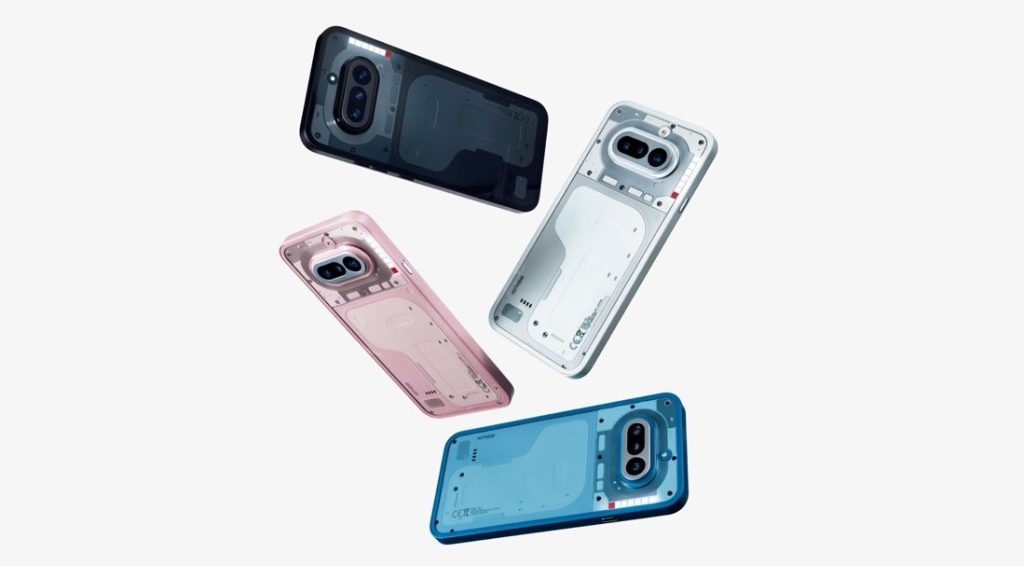
Nothing’s signature transparent design is front and center on both devices. That unique look—where you can actually see screws and internal metalwork through the back—is very much alive here.
Where they differ? Materials. The Pro steps up with an aluminum unibody build that feels noticeably more premium in hand. The standard 4a sticks with a transparent layered back panel that’s still striking but doesn’t have quite the same robust feel.
Then there’s the display.
- Phone (4a): 6.78-inch AMOLED, 1.5K resolution, 120Hz refresh rate, and a peak brightness of 4,500 nits.
- Phone (4a) Pro: Slightly larger at 6.83 inches, same AMOLED quality and 120Hz refresh rate, but with a 5,000-nit peak brightness—which makes a real difference when you’re outdoors in direct sunlight.
If you’re someone who uses your phone under bright sun a lot, that extra brightness on the Pro isn’t just a spec bump; it’s a genuine quality-of-life upgrade.
Cameras
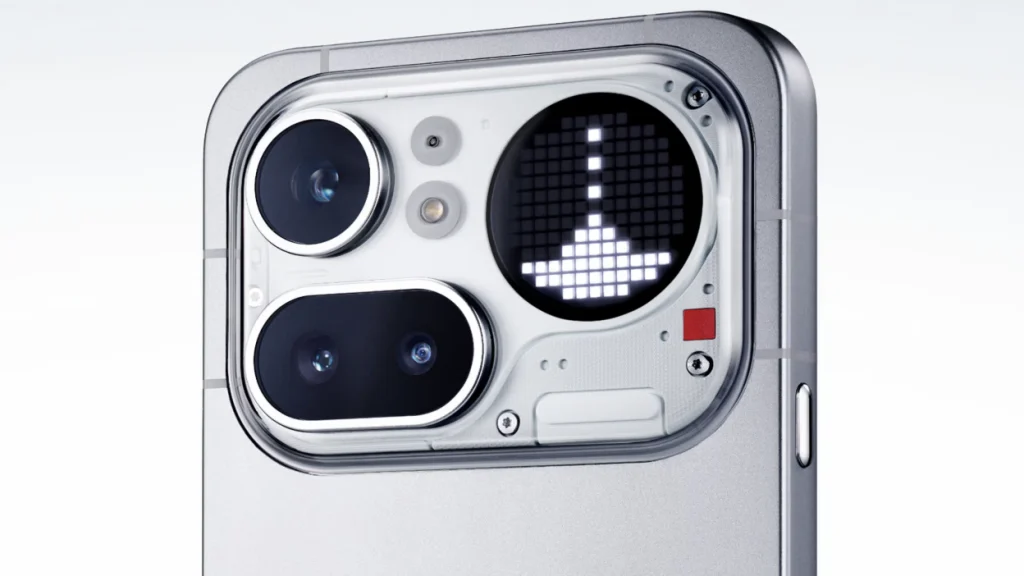
Both phones come with a 50MP primary camera featuring optical image stabilization (OIS), so your core photo-taking experience starts from a solid place.
But the Pro pulls ahead with a Sony LYT700C 50MP sensor and a 50MP telephoto lens that gives you 3.5x optical zoom and up to 140x digital zoom. That’s a significant step up if you like capturing details from a distance.
The standard 4a still offers telephoto capabilities, but digital zoom tops out at 70x.
On the ultra-wide and front-camera side, both are evenly matched—so your group shots and selfies will look great regardless of which model you pick.
Processor & Battery
Under the hood, both phones run on Snapdragon 7-series chips, but not the exact same one.
- Phone (4a): Snapdragon 7s Gen 4
- Phone (4a) Pro: Snapdragon 7 Gen 4
The Pro’s chip runs at higher clock speeds, which means snappier performance in everyday tasks and more headroom if you push your device with heavier apps or multitasking.
One welcome move from Nothing: after some chatter last time, they’ve gone with UFS 3.1 storage across both models. So faster app loads and smoother file transfers are now standard.
Battery-wise, there’s no difference. Both pack a 5,400mAh battery and support 50W fast charging. That’s enough to get you comfortably through a full day with regular use—and then some.
Which One Should You Choose?
Honestly, this comes down to how much you value the extras.
If you want the best bang for your buck, the Nothing Phone (4a) is a solid choice. You still get the signature transparent design, a smooth 120Hz display, capable cameras, and reliable performance—all without pushing past that ₹32,000 mark.
But if you’re the kind of person who notices—and genuinely cares about—things like a premium metal build, a brighter screen for outdoor use, sharper zoom photography, and a bit more processing muscle, the Phone (4a) Pro justifies its price.
There’s no wrong pick here. It’s just a question of whether the upgrades are things you’ll actually use every day.
Either way, Nothing continues to carve out its own space in the mid-range segment—and that’s something worth paying attention to.