At GDC this year, one name kept surfacing in conversations about where original games are headed: LightSpeed Studios.
You might remember last year’s teaser—the “Original IP Initiative” they announced with promises to pour serious resources into building new worlds from scratch. Well, they showed up at GDC 2026 with the receipts. For the past twelve months, they’ve been quietly assembling a team and a strategic framework for creating original IPs. Now, they’re finally pulling back the curtain.
This Isn’t Just About Making Games. It’s About Building Worlds That Last.
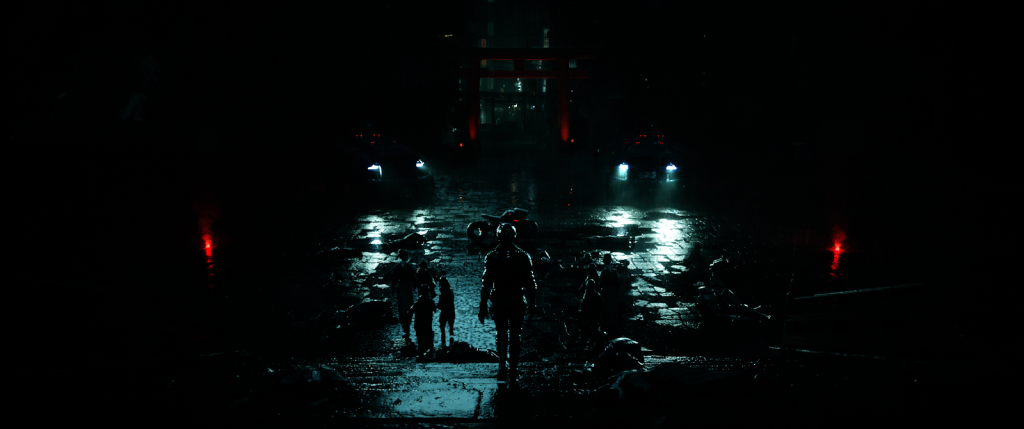
Here’s the reality of today’s gaming industry: everyone’s chasing the next big thing, but most are doing it by looking at what’s already working. LightSpeed Studios is taking a different path.
Over the last year, they’ve built what they call a “proprietary framework” for developing original IP—and they’ve staffed it with something of a creative dream team. This isn’t just a collection of talented people, though. It’s a method. A rhyme and reason for designing games that don’t just look good, but feel genuinely fresh.
The Heavy Hitters Have Entered the Chat
If you’re going to bet big on original IP, you bring in the best. Enter Feng Zhu, recently appointed Creative Director. His resume reads like a master class in world-building—he’s done design work on major Hollywood franchises, including Star Wars: Episode III. Now, he’s channeling all that cinematic storytelling expertise into original games at LightSpeed Studios.
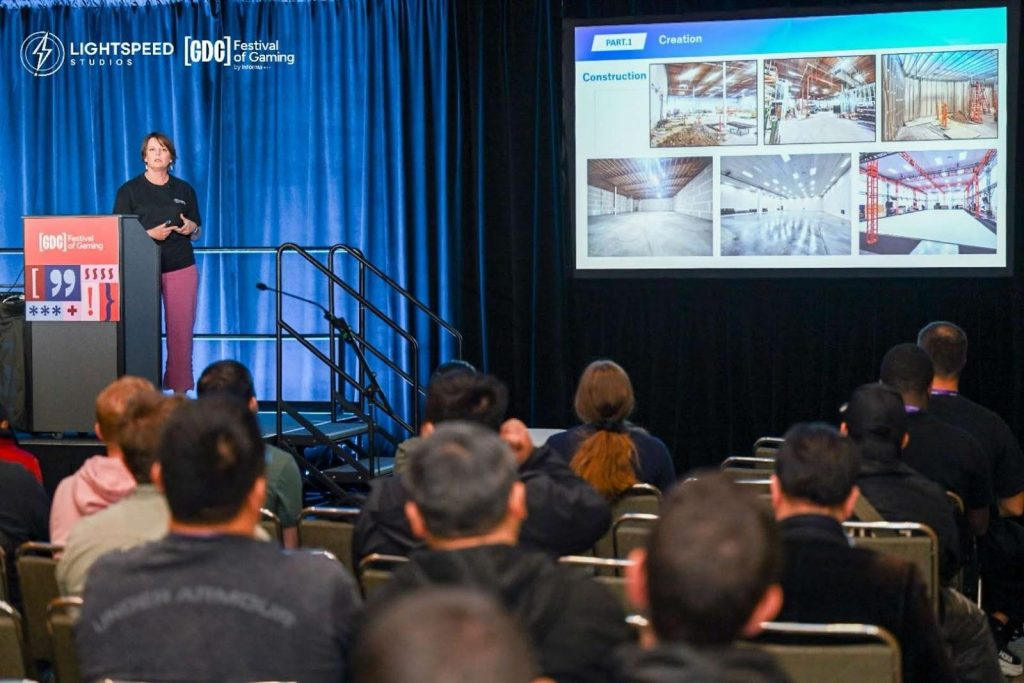
Alongside him is Kristin Gallagher, Studio Manager of the newly unveiled LightSpeed Mocap LA. This isn’t just another motion capture facility. It’s a purpose-built space engineered for the kind of complex stunt sequences that Gallagher herself says rank among the most challenging she’s encountered in her 20-year career. When someone with that much experience says something is genuinely difficult, you pay attention.
The “90:10 Rule” That Changes Everything
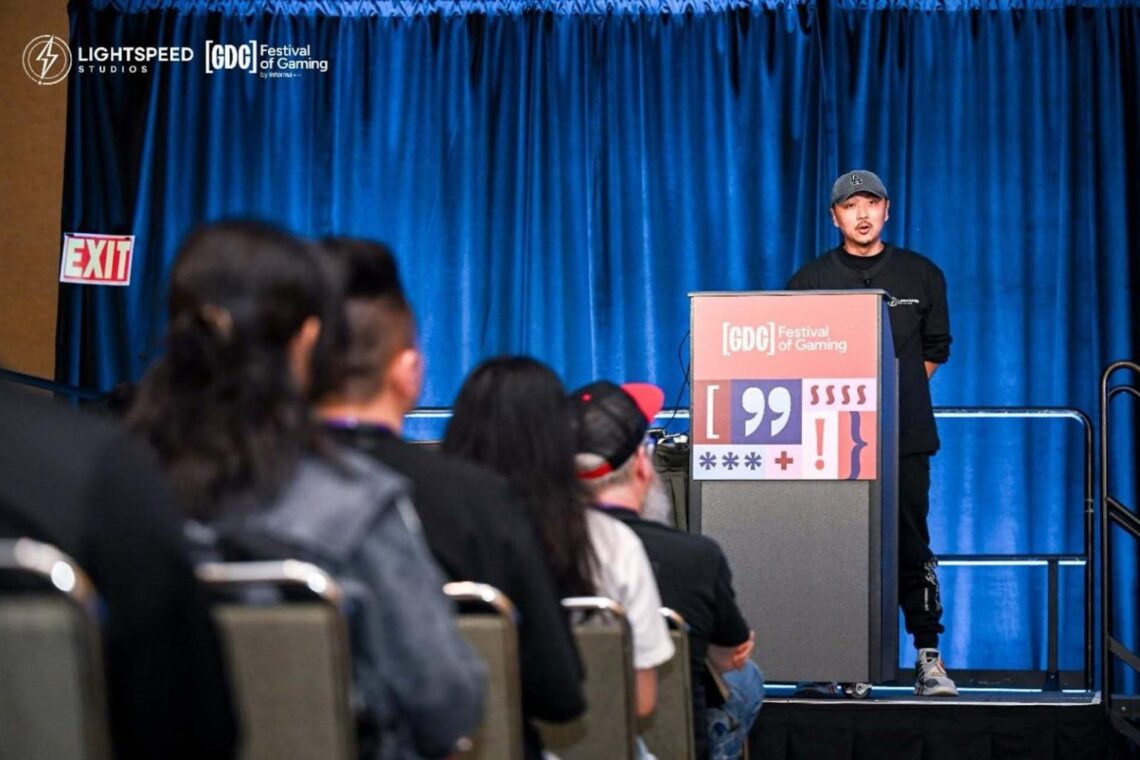
Here’s where it gets interesting. During his GDC session “Creating IP Through Understanding,” Zhu shared the philosophy driving all of this: the “90:10 Balance.”
For any given title, 90% is rooted in reality—actual locations, historical context, proportions that make sense in the real world. The remaining ten percent? That’s where the game gets its personality. Whether it’s cranking up the tension in the narrative or breaking convention in a way that feels memorable, that small slice is where the artistry lives.
Think of it like building a house. The foundation and framework are familiar—proven to work. But the interior design? That’s where you make it your own.
The Infrastructure Behind the Performance
To deliver on that vision, LightSpeed Mocap LA isn’t just a warehouse with high-end cameras. Yes, it’s stocked with state-of-the-art Vicon Valkyrie systems, but the real magic is invisible: custom APIs built in-house to handle file management, plus tools that streamline the entire production pipeline. The result? Complexity is no longer a barrier.
This setup allows them to pull off scenes like a single hero performer surrounded by thirteen motion capture artists—with every subject perfectly isolated. Or coordinating seven performance capture actors alongside four additional performers, all within a unified pipeline. That’s not just impressive on paper; it means the creative team can aim higher without hitting technical walls.
What This Means for Gamers
So why should you care?
Because this framework isn’t theoretical. It’s already being deployed on LightSpeed Studios’ future titles. Making a visually stunning game is table stakes. What sets a great game apart is worlds with depth, identity, and stories that keep you coming back. In an industry that often feels stuck between sequels and reboots, seeing a studio build a repeatable system for creating something genuinely new is more than refreshing—it’s exactly what we’ve been waiting for.