Xiaomi just proved it’s not willing to sit quietly while others take the spotlight in smartphone photography.
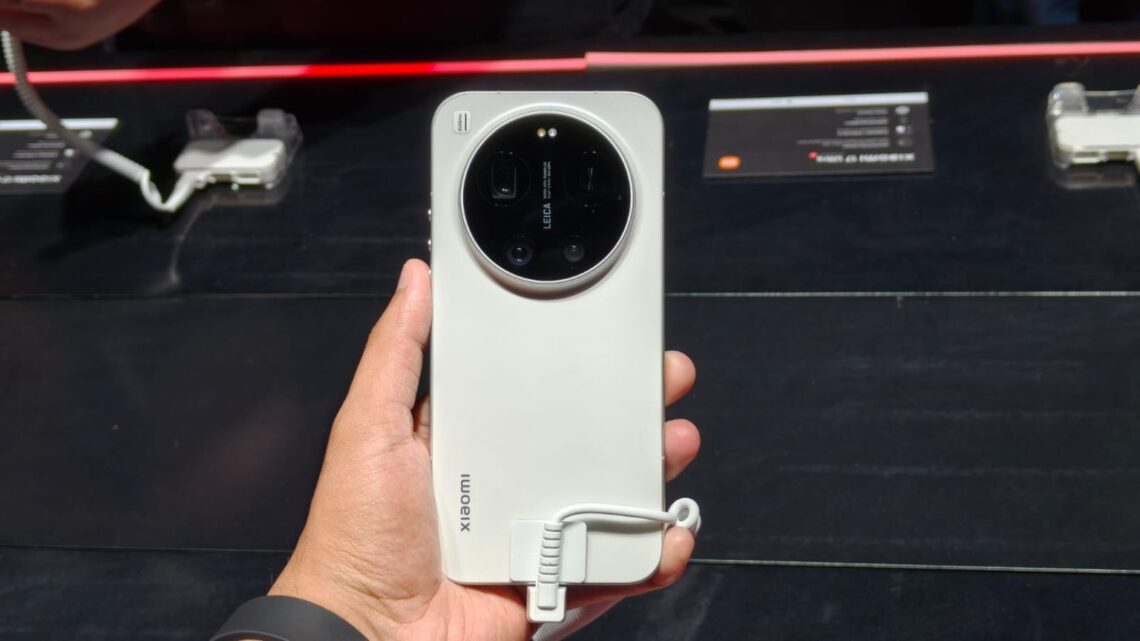
After watching vivo and OPPO push the boundaries with their latest Pro flagships, Xiaomi stepped up at MWC in Barcelona with its own answer: the Xiaomi 17 and Xiaomi 17 Ultra. On the surface, both phones look familiar. But look closer, and you’ll find that Xiaomi has quietly reworked the camera system in ways that could genuinely change how you shoot with a phone.
The headline belongs to the Ultra, and for good reason.
A camera system built for the challenging light
The Xiaomi 17 Ultra is also the thinnest and lightest Ultra the company has ever made—just 8.29mm thick and 218g. It’s got Xiaomi’s Guardian Structure, Shield Glass 3.0 for better drop protection, a fiberglass back, aluminum frame, and IP68 resistance. But the real story is what’s inside that slim body.
Xiaomi introduced its first-ever 1-inch LOFIC main camera sensor, the Light Fusion 1050L. Without getting too technical, LOFIC improves how much light the sensor can handle. That means brighter highlights, deeper shadows, and far better HDR performance than we’ve seen from previous Xiaomi flagships. If you’ve ever struggled with blown-out skies or muddy shadows in tricky lighting, this is the kind of upgrade that makes a noticeable difference.
Then there’s the Leica 200MP telephoto camera with a 75–100mm mechanical optical zoom. Xiaomi claims it maintains sharpness throughout the zoom range and can push all the way to 400mm equivalent using sensor cropping. That’s the kind of reach that turns a smartphone into a surprisingly capable hybrid tool.
On the video side, the Ultra supports Dolby Vision and ACES Log recording at up to 4K 120fps on both the main and telephoto cameras. If you’re a creator, that’s the kind of flexibility that makes leaving a dedicated camera at home feel less like a compromise.
The standard Xiaomi 17: smaller, but not smaller on ambition
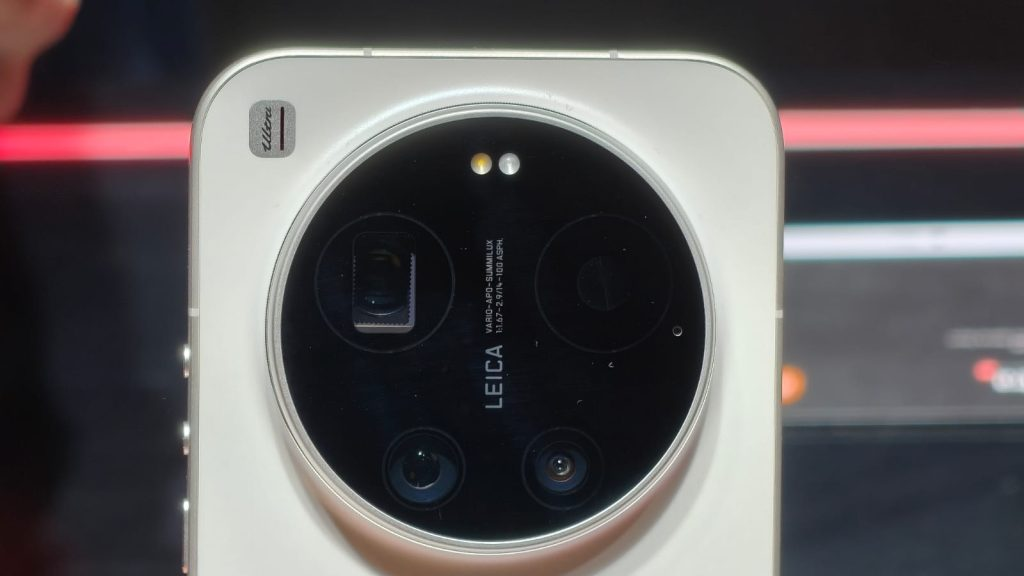
If you want something more compact, the standard Xiaomi 17 comes in at 8.06mm thick and 191g. But it still packs a punch. It uses a 1/1.31-inch Light Fusion 950 sensor with 2.4μm 4-in-1 Super Pixel tech, designed to handle varied lighting conditions without breaking a sweat.
You also get a Leica 60mm floating telephoto lens that handles portraits, macro shots as close as 10cm, and up to 20x AI-assisted zoom. Up front, there’s a new 50MP selfie camera with improved autofocus. Like the Ultra, it supports 4K 60fps Dolby Vision and Log recording, so creators who prefer a smaller phone aren’t left out.
Performance and battery that flips expectations
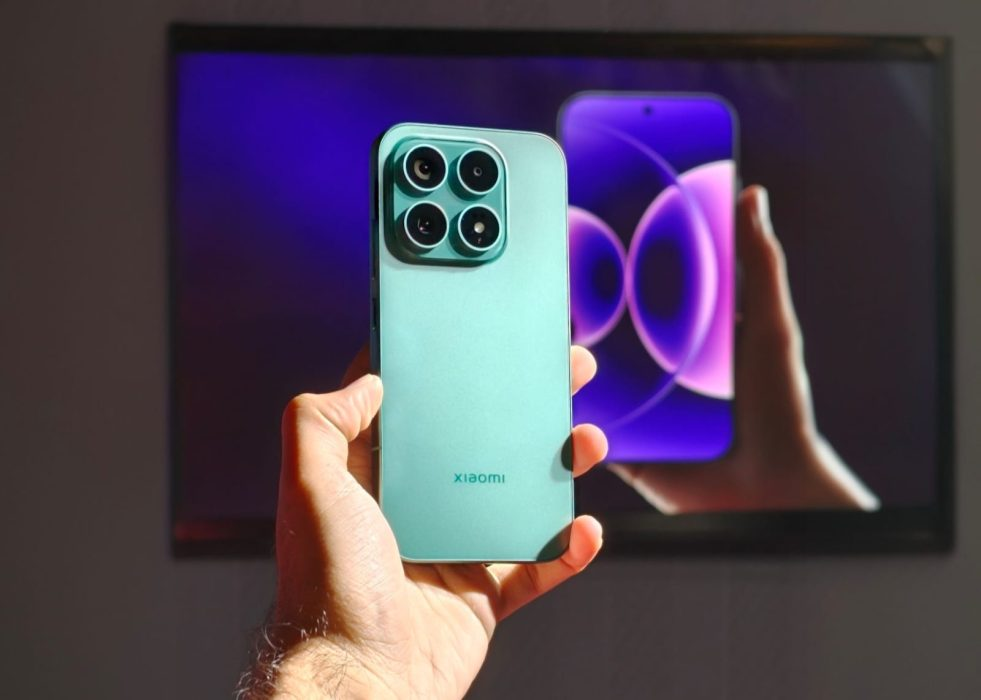
Under the hood, both phones run on the Snapdragon 8 Elite Gen 5 Mobile Platform with Qualcomm’s latest Oryon CPU, Adreno GPU, and Hexagon NPU. Xiaomi says it’s tuned for heavy tasks like burst photo capture, gaming, and multitasking. We’ll put that to the test when we get hands-on.
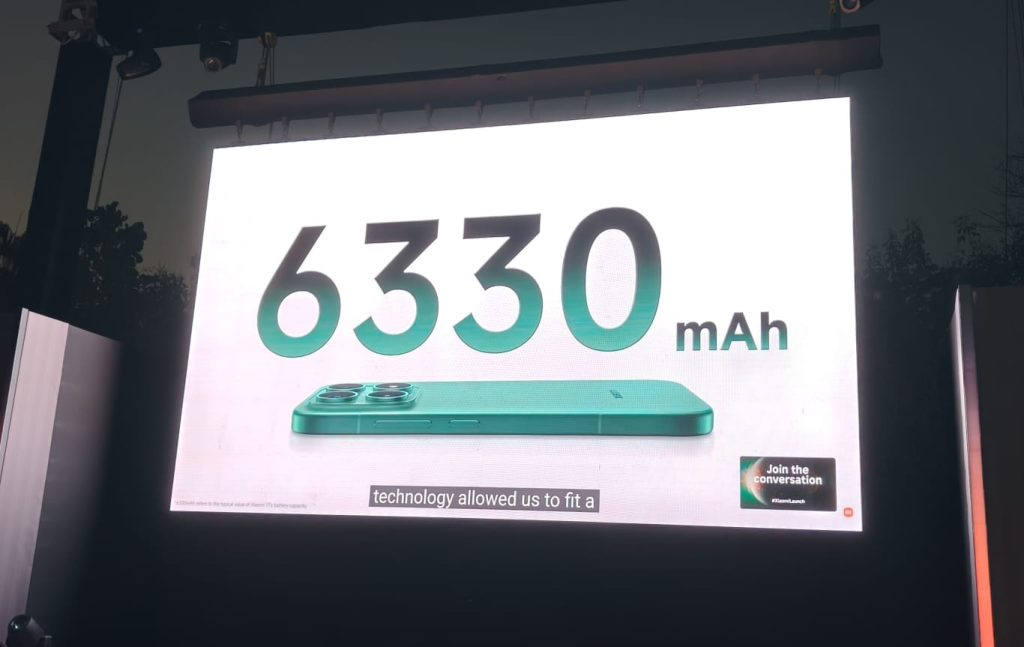
Here’s where things get interesting: the smaller Xiaomi 17 packs a larger 6,330mAh battery compared to the Ultra’s 6,000mAh. Both support fast charging, though the standard model edges ahead with 100W wired and 50W wireless HyperCharge, while the Ultra offers 90W wired and 50W wireless. It’s an unusual choice, but it means you don’t have to go big to get serious battery life.
When can you get it?
Xiaomi confirmed at its watch party that both phones are coming to India on March 11. Pricing hasn’t been announced yet, but with European prices trending upward, it’s safe to expect these to land at a premium.
All said, the Xiaomi 17 Ultra isn’t just about specs on a sheet. It’s about whether Xiaomi can finally deliver the kind of consistent, high-end camera experience that makes you stop thinking about the hardware and just shoot. Between the LOFIC sensor, the Leica zoom, and the video capabilities, this might be the closest the brand has come to making that happen.