
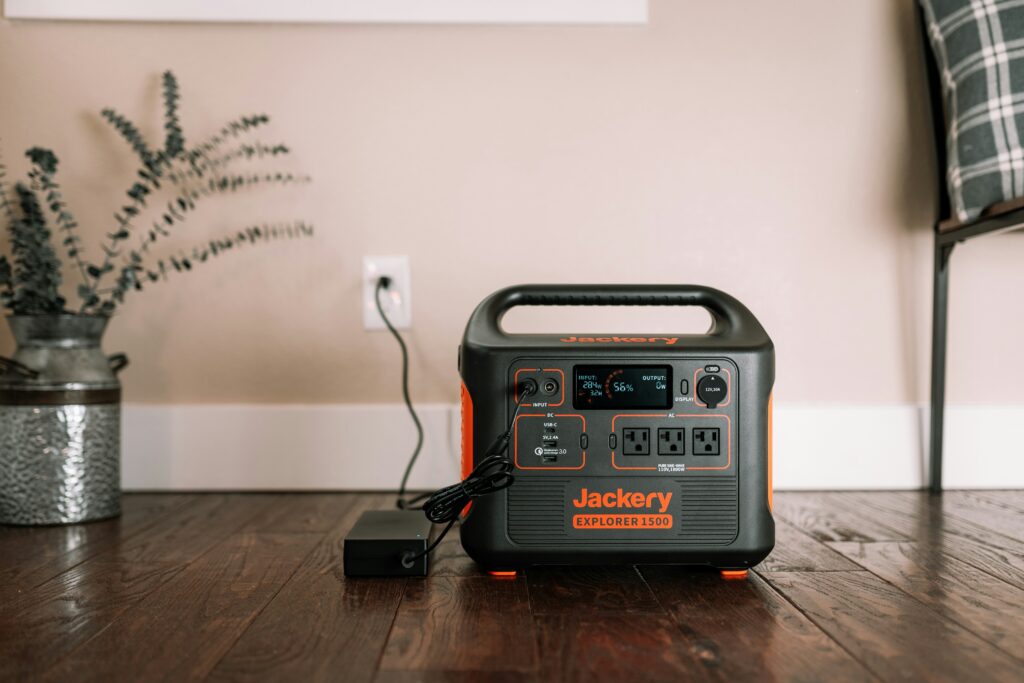
Jackery Explorer 1500 Ultra: Built for When Power Isn’t Optional
Portable power stations aren’t just for camping anymore—and if you’ve relied on one during a blackout or out in the field, you already know why. When the power cuts out or you’re miles away from the grid, you don’t just need electricity—you need something you can trust.
That’s exactly where the Explorer 1500 Ultra steps in. Launched at CES 2026, this isn’t just another spec-heavy upgrade. It’s built for people who can’t afford power failures—whether that’s during a storm, on a remote shoot, or simply at home when the lights go out.
Power That Fits Real Life
There’s been a clear shift in how people think about energy. Rising electricity costs and a growing need for reliability have pushed many toward more self-sufficient solutions. And it’s not just homeowners—outdoor enthusiasts, filmmakers, contractors, and emergency responders are all part of this shift.
The Explorer 1500 Ultra is designed to sit right in the middle of all these use cases. It’s just as comfortable powering tools in your backyard as it is running essential devices during an outage—or even keeping something like a Starlink setup running off-grid.
No more dragging extension cords across the lawn. No more worrying about losing connectivity when you’re far from civilization. It’s about flexibility—using power where and when you need it.
Built to Take a Beating
One of the biggest frustrations with portable power stations? They’re often not built for rough conditions.
Jackery tackles that head-on here. The Explorer 1500 Ultra comes with an IP65 rating, meaning it’s sealed against dust, rain, and even water jets. But it doesn’t stop at weather protection—it’s also tested for drops, vibrations, and even seismic conditions.
In other words, this thing is made to survive environments where most power stations would struggle.
Internally, the design has been reworked too. Instead of traditional side vents, it uses a bottom օդ intake system paired with a turbine-style fan that pushes heat upward. The result? More consistent cooling, better protection from moisture, and stable performance even under heavy load.
And despite all that ruggedness, it’s still relatively portable at just over 38 pounds (17.5 kg)—light enough to move when you need to.
Performance That Actually Holds Up
On paper, many power stations look similar. But in real-world use, the difference shows up when your devices suddenly demand more power.
The Explorer 1500 Ultra handles those moments with ease. It can sustain a 2,000W output for up to 15 minutes, with a peak of 3,600W—giving you the headroom needed for power-hungry equipment.
At its core is a 1,536Wh LiFePO4 battery, using EV-grade cells designed for longevity. You’re looking at up to 4,000 charge cycles before capacity drops to 70%, which translates to years of dependable use for most people.
Charging is just as practical. With the ChargeShield 2.0 system, it can fully recharge in about 1.5 hours via AC power. Prefer solar? It supports up to 800W input under ideal conditions.
And when it comes to ports, it covers all the basics—USB-C, USB-A, AC outlets, and a 12V car socket—so you’re not left juggling adapters.
More Than an Upgrade
The Explorer 1500 Ultra isn’t just another addition to Jackery’s lineup—it feels like a clear statement about where portable power is headed.
It’s not just about higher numbers or flashy features. It’s about reliability in unpredictable conditions, thoughtful design, and power that actually matches how people use it day to day.
Whether you’re preparing for emergencies, working outdoors, or just want a more dependable backup at home, this is built to handle it without compromise.
And in a world where power interruptions are becoming less predictable, that kind of reliability isn’t a luxury—it’s peace of mind.